
Install the app
How to install the app on iOS
Follow along with the video below to see how to install our site as a web app on your home screen.
Note: This feature may not be available in some browsers.
You are using an out of date browser. It may not display this or other websites correctly.
You should upgrade or use an alternative browser.
You should upgrade or use an alternative browser.
Random Movie Thoughts
- Thread starter Unsomnambulist
- Start date

axolotl
Nunquam non paratus
I take that as sarcasm, but am I the only one that finds it to be not that good of a movie?Fuck. Thanks for the spoiler alert!!! I guess I can cross that one off my "to watch" list now!!!

Unsomnambulist
Staff member
I thought it was an awesome movie when I saw it as a kid.I take that as sarcasm, but am I the only one that finds it to be not that good of a movie?
Of course, now that my suspension of disbelief is destroyed, it's ruined for me.
axolotl
Nunquam non paratus
Have you thought about upgrading your shocks and suspension?I thought it was an awesome movie when I saw it as a kid.
Of course, now that my suspension of disbelief is destroyed, it's ruined for me.

Nickyboy
Staff member
I thought it was amazing when I was a kid, but now.....meh. You may be right.I take that as sarcasm, but am I the only one that finds it to be not that good of a movie?
I may be crazy.
axolotl
Nunquam non paratus
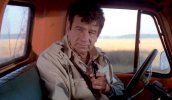
Walter Matthau, who lost family and friends in the Holocaust, only agreed to travel to Germany to shoot the opening Oktoberfest scene in "Hopscotch" (1980) on condition that his son, David Matthau, was cast as Ross. After agreeing to be filmed in Germany, Matthau resisted filming scenes showing him drinking at Oktoberfest until his stepdaughter Lucy Saroyan was given the role of Carla, the pilot who flies him in her seaplane. After arriving at their destination and being paid, she tells Matthau's character that he reminds her of her father. His response is, "That's always been my problem."
The Oktoberfest scene was not staged. The filmmakers hid cameras to prevent people from knowing they were being filmed.
According to the DVD special feature "Introduction by Neame & Garfield", Matthau's agent suggested the film include music by Wolfgang Amadeus Mozart, as this would be pleasing to Matthau. So they made Matthau's character Kendig a lover of Mozart's music. Conductor and arranger Ian Fraser located many pieces of Mozart's music but was at a loss for the scenes where Kendig is typing his book. So they asked Matthau if he could make any suggestions and he obliged by finding some (although director Ronald Neame said that conductor Ian Frasier found many of the Mozart pieces that fit the movie).
Hermann Prey's singing of "Non Più Andrai" highlights the antics of the old biplane as Myerson (Ned Beatty) is shooting at it. The song tells how Cherubino ("little baby"), going into the army, will no longer be a dainty favorite, just as 5-foot-7 Myerson is going to lose his power at the CIA. Also, the song describes bullets flying and even bombs exploding. There is also the aria "Largo al Factotum" from the opera "The Barber of Seville" by Gioachino Rossini. Matthau sings this as he passes a border checkpoint. The words to the aria explain how everyone is looking for the barber, and he moves fast like lightning. Kendig has the aria "Un Bel Dì Vedremo" ("One Beautiful Day") from "Madame Butterfly" by Giacomo Puccini playing loudly on the stereo as the FBI and CIA shoot up Myerson's wife's house. The operatic contrapunto adds a surreal air of ironic justice to the events as Madame Butterfly sings how she will hide from her husband. (IMDb/Wikipedia)
axolotl
Nunquam non paratus
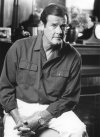
A true story from Marc Haynes @marchaynes
As a seven year old in about 1983, in the days before First Class Lounges at airports, I was with my grandad in Nice Airport and saw Roger Moore sitting at the departure gate, reading a paper. I told my grandad I’d just seen James Bond and asked if we could go over so I could get his autograph. My grandad had no idea who James Bond or Roger Moore were, so we walked over and he popped me in front of Roger Moore, with the words “my grandson says you’re famous. Can you sign this?”
As charming as you’d expect Roger asks my name and duly signs the back of my plane ticket, a fulsome note full of best wishes. I’m ecstatic, but was we head back to our seats, I glance down at the signature. It’s hard to decipher it but it definitely doesn’t say ‘James Bond’. My grandad looks at it, half figures out it says ‘Roger Moore’ - I have absolutely no idea who that is, and my heart sinks. I tell my grandad he’s signed it wrong, that he’s put someone else’s name - so my grandad heads back to Roger Moore, holding the ticket which he’s only just signed.
I remember staying by our seats and my grandad saying “he says you’ve signed the wrong name. He says your name is James Bond.” Roger Moore’s face crinkled up with realisation and he beckoned me over. When I was by his knee, he leant over, looked from side to side, raised an eyebrow and in a hushed voice said to me, “I have to sign my name as ‘Roger Moore’ because otherwise…Blofeld might find out I was here.” He asked me not to tell anyone that I’d just seen James Bond, and he thanked me for keeping his secret. I went back to our seats, my nerves jangling with delight. My grandad asked me if he’d signed ‘James Bond’. No, I said. I’d got it wrong. I was working with James Bond now.
Many, many years later, I was working as a scriptwriter on a recording that involved UNICEF, and Roger Moore was doing a piece to camera as an ambassador. He was completely lovely and while the cameramen were setting up, I told him in passing the story of when I met him in Nice Airport. He was happy to hear it, and he had a chuckle and said “Well, I don’t remember but I’m glad you got to meet James Bond.” So that was lovely.
And then he did something so brilliant. After the filming, he walked past me in the corridor, heading out to his car - but as he got level, he paused, looked both ways, raised an eyebrow and in a hushed voice said. “Of course I remember our meeting in Nice. But I didn’t say anything in there, because those cameramen - any one of them could be working for Blofeld.”
I was delighted at 30 as I had been at 7. What a man. What a tremendous man.

Ojai Sam
Staff member

Redbox set to close as DVD market withers in streaming's shadow
All employees are expected to be laid off and the company’s more than 24,000 rental kiosks will shut down.
 www.nbcnews.com


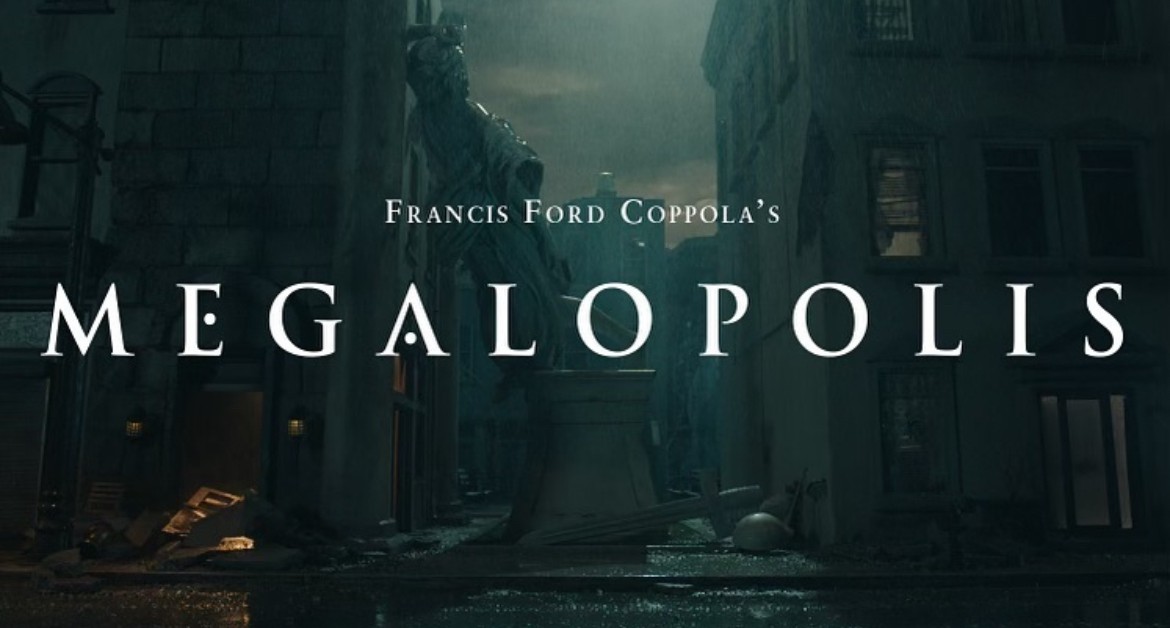
Here's Why 'Megalopolis' Is Trying Its Hardest to Include as Many 'Canceled' Actors as Possible | Black Girl Nerds
'Megalopolis' managed to charm audiences at Cannes, but judgment is reserved for the masses, whose verdict we can expect September 27th.
 blackgirlnerds.com
I know very little about this movie and skimmed the article to try to prevent learning even the smallest spoiler. The good news is the article talks about a story behind the movie and has virtually zilch about the story or plot of the movie itself.
The totality of my knowledge about this movie is limited to this just-read article and a few posters I've seen online. I want to be completely surprised by every second of this, by a very good, well made, well told movie. I have no idea if this movie will deliver that. Hopefully my sudden blind allegiance to this film I've never heard of will be rewarded when I watch it.
Last edited:
axolotl
Nunquam non paratus
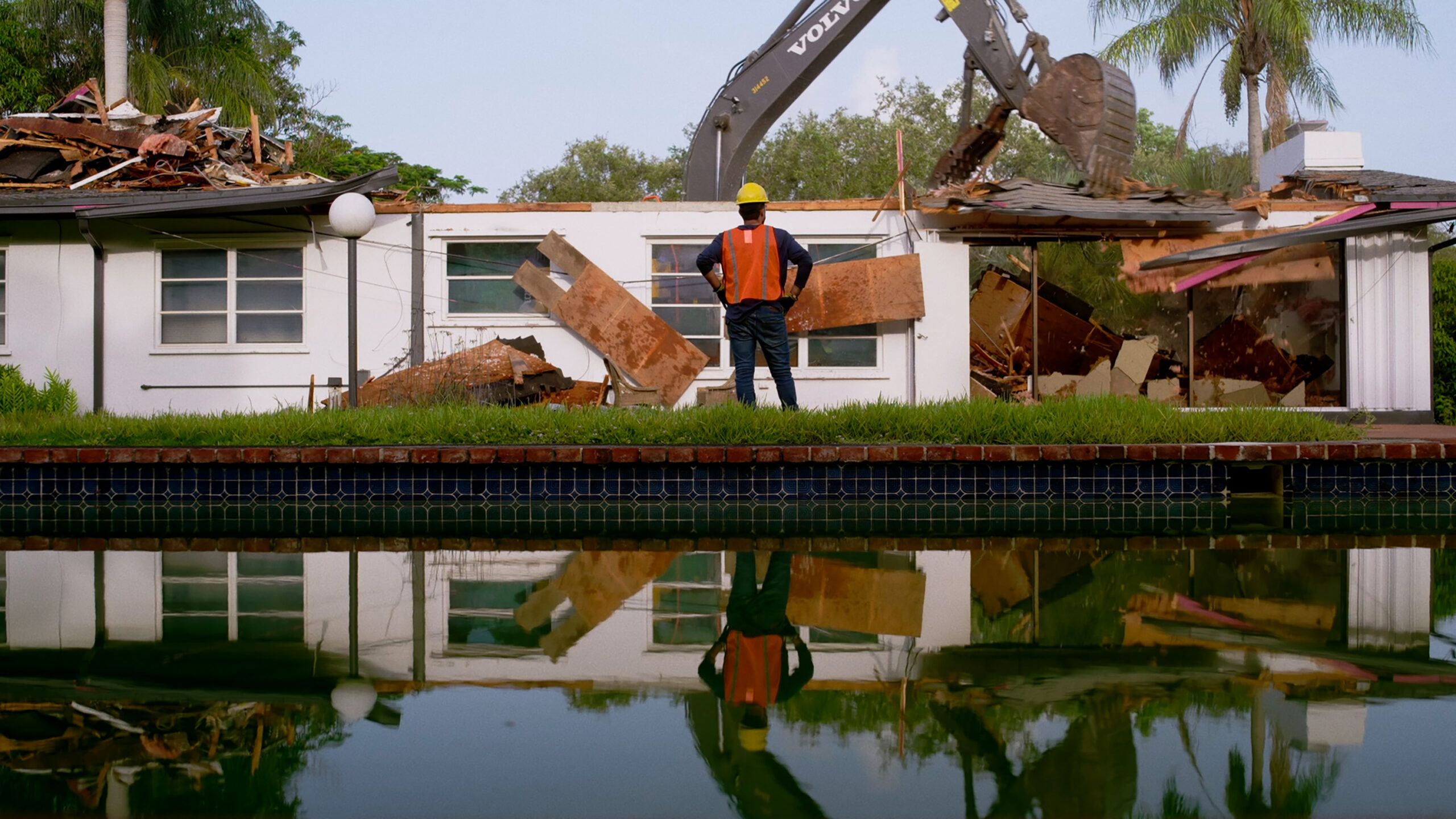
The new film 'Mountains' looks at the beauty and challenges of the Haitian American experience - The World from PRX
Actor Atibon Nazaire speaks with The World’s Host Marco Werman about his role in the new film “Mountains,” which takes a look at Haitian culture and the diaspora in the United States.
 theworld.org
axolotl
Nunquam non paratus

axolotl
Nunquam non paratus
More Satisfaction Can be Found in a Bob Dylan Greatest Hits Album than A Complete Unknown

More Satisfaction Can be Found in a Bob Dylan Greatest Hits Album than A Complete Unknown
A Complete Unknown neither meaningfully conveys Bob Dylan’s mythology nor exposes him as human, too broad to accomplish anything.
 www.pastemagazine.com