
Install the app
How to install the app on iOS
Follow along with the video below to see how to install our site as a web app on your home screen.
Note: This feature may not be available in some browsers.
You are using an out of date browser. It may not display this or other websites correctly.
You should upgrade or use an alternative browser.
You should upgrade or use an alternative browser.
What are you listening to? May 2023
- Thread starter axolotl
- Start date
- Status
- Not open for further replies.

Unsomnambulist
Staff member
Exxasens - Polaris (2008)


Zeeba Neighba
Staff member
The Police - Regatta de Blanc (1979)

Zeeba Neighba
Staff member
The Shins - Chutes Too Narrow (2003)

Zeeba Neighba
Staff member
Amy Winehouse - Back to Black (2006)

Zeeba Neighba
Staff member
Van Halen - Van Halen II (1979)


Ojai Sam
Staff member
Anne Sofie van Otter, Anthony Rolfe Johnson, English Baroque Soloists (John Eliot Gardiner, cond.) - Mozart: La Clemenza di Tito (1991)

Unusual opera about a dangerous forbidden romance in the days of Yugoslavian strongman...oh, wait. Wrong Tito.

Unusual opera about a dangerous forbidden romance in the days of Emperor Titus of Rome, a moody ruler to say the least.

Oops.
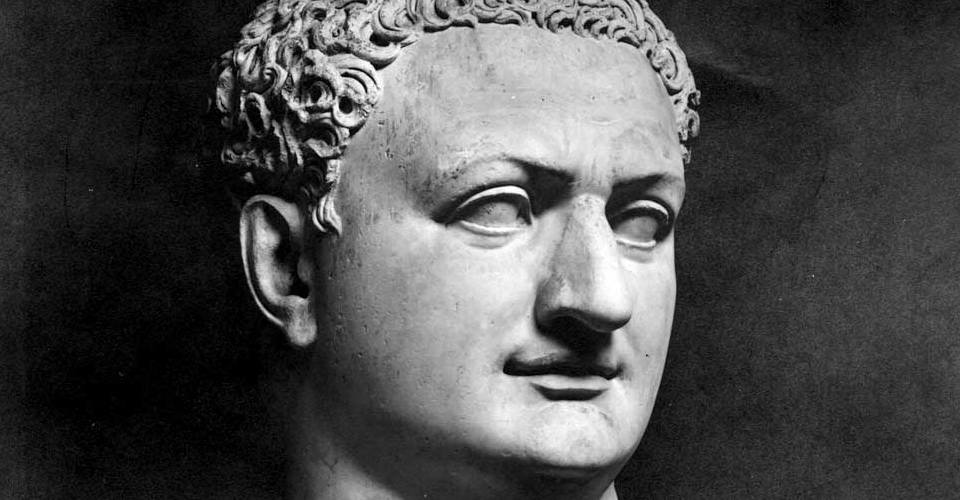
Third time is the charm.
This post, like the opera itself, has a happy ending.
Unusual opera about a dangerous forbidden romance in the days of Yugoslavian strongman...oh, wait. Wrong Tito.
Unusual opera about a dangerous forbidden romance in the days of Emperor Titus of Rome, a moody ruler to say the least.
Oops.
Third time is the charm.
This post, like the opera itself, has a happy ending.

Nickyboy
Staff member
You were a day early.Paul McCreesh - An English Coronation 1902-1953 (2018)

Zeeba Neighba
Staff member
Ludwig van Beethoven - Diabelli Variations (Mitsuko Uchida) (2022)


axolotl
Nunquam non paratus
X Japan ~ Art of Life [EP] (1993)

Before picking up this EP at one of my favorite Goodwill Stores (fwiw, Palmdale), I had never heard of it or even of X Japan. Looking into the band and particularly this CD, I see many words (mostly effusive, ecstatic utterances) written of it. Having heard it, including the eight-minute piano solo in the middle, I can now let it go.
But, before I do, I leave you with this RYM review, which is almost as long as the EP:
Before picking up this EP at one of my favorite Goodwill Stores (fwiw, Palmdale), I had never heard of it or even of X Japan. Looking into the band and particularly this CD, I see many words (mostly effusive, ecstatic utterances) written of it. Having heard it, including the eight-minute piano solo in the middle, I can now let it go.
But, before I do, I leave you with this RYM review, which is almost as long as the EP:
Mina__Moon Dec 31 2021▼
Now Jealousy became a major success for the X Japan. The tour was going well, they had become the biggest rock and metal act in their home country, and they had changed the pop culture of their home country forever. Things were going too well however. During the tail end of the Jealousy tour things had reached a boiling point and it ended with bass player and songwriter Taiji leaving the band. There were two stories. Yoshiki said Taiji had broken a secret band rule, and he can't say what it was. So he confronted Taiji about his attitude and behavior, in which it escalated into a full blown fist fight that ended with the two of them crying. Taiji says Yoshiki was getting paid substantially more than everyone else and he wanted to ask Yoshiki for more money, to which he was fired instead. Either way losing a songwriter and famous member like Taiji was a huge blow to the band considering they had peaked in popularity. The band recruited ex Media Youth bassist Heath and left CBS/Sony records. They joined up to American label Atlantic records, making them one of the only Japanese metal acts to sign to a major American label. With their massive success and influence over their home country a breakthrough in America seemed possible. They declared there intentions to release an album in America, and to prove themselves to the American audiences. However Yoshiki new now he had to prove Heath's value to their fans, and their new deal with Atlantic put a new weight on their shoulders. Leading to him revisiting his big epic: "Art of Life". The song is a 29 minute epic revealing his struggle to find reasons to keep on living in the face of crippling depression. hoping the song would inspire others of the same feelings to carry on as well once they heard it. So he worked to finish the song, and then released it as it's own album, figuring it would have been enough to get it's own disc on Jealousy it should be enough to be it's own album too.
The entire song uses orchestral arrangements to enhance it, and it's a key part of the song. The slow orchestral opening accompanied by Toshi's vocals are excellent. It's also clear that the song is recorded entirely in English. Hearing Toshi sing these lyrics about self worth and identity over the beautiful orchestration is just powerful. Then we build up into a speed metal guitar riff and drumming. Then the song really kicks in. Toshi begins singing about bottling up emotions, closing himself off from the outside world for fear of getting emotionally hurt again, drowning away his past because it's filled with constant pain. Then we slow down a bit to hear a spoken word section, detailing the voice of depression and anxiety telling him to destroy everything. But It's a foreign voice, not his own thoughts and is unable to see that blinded by his own anxiety and feelings. He's not listening to the words of other people trying to help him, because so many people have hurt him before. He only wanted to be accepted. We then hear the voice among the speed and intensity of the instruments. It's telling him to get back the people who have hurt him, create chaos, and let himself be heard, let people bear witness to his breakdown. Toshi then starts singing again. He knows he's losing control of himself, his thoughts aren't all his own. He knows he's destroying himself. He doesn't know who to listen to. This voice or those reaching out to him. We slow down again to hear Toshi sing about the mixed emotions. He doesn't want to go on living life anymore, he doesn't feel like he can go on, but he doesn't have the guts to kill himself. He knows that with the passing of time the mental wounds may heal, but he doesn't know if he can let himself live long enough for those wounds to heal. The song speeds up again to give us some great soloing from Hide and some intense drum fills from Yoshiki. We slow down again to hear Toshi singing again. He wipes away the emotions and steps outside of his self imposed walls. The song stops, being just the strings in the orchestra. Then we hear the foreign voice return, mentioning how his breakdown is very much self inflicted. The enemies and the people who hurt him aren't actively trying to kill him, they in truth probably don't even know what they've done to him. He doesn't want to go on, so he wants to cut his story short before he could ever see what his story could become. Now that he's trying to peace back his life together the foreign voice asks if he's trying to kill it. Toshi begins singing the last verse in the first movement. He says he doesn't have the strength to end his own life. He wants to live, but he hasn't found what he's looking for. He wants to know what will happen to him when he let's go of this pain.
The song fades into just piano as we reach our second movement about 15 minutes in. It's just Yoshiki on Piano. The solo has several moments where it builds in intensity before cutting itself short and going back to how it started. 19 minutes in he is slamming on the keys without much thought, creating a chaotic mess of noises from the piano that seems to have no melody at all. Then it quiets down again into how it was at the beginning. Occasionally repeating some keys, slamming down on several at a time in the background a bit, sometimes it gets louder other times it is quieter. All of this behind the main melody in the piano solo. The orchestra gradually comes back and is very quietly in the background of the solo near the final few minutes. This solo very representative of Yoshiki's quest to find that missing piece and direction, as well as the internal struggle with his inner demons that had been with him, his learning to let go of the pain and move on. Eventually we transition into the third movement as he stops playing Piano and the orchestration takes over.
The third movement starts immediately with the speed metal arrangements of the first movement. Toshi sings about freeing his emotion and tearing down the walls he spent so much time building. He was sacrificing his present for a comfier future with no pain, only to realize without his present there is no future. He was so focused on his past he couldn't truly see it with the clarity he can now. He is ready to move on and live life beyond what his depression would let him do. The song slows down and reprises the verse from before about not having the strength to kill himself and not trying to find direction. Then we end with him talking about letting the feeling of love back into his life. The voice is gone. Now that he has direction he doesn't need to cling to a foreign voice telling him what to do. The song is over, and thusly concludes X Japan's fourth album.
The song on the surface seems like a pretentious attempt by a popular metal group to combine modern classical music with proggressive metal and power metal, showing off what they can do on their instruments and etc. However once you learn more, find out the meaning behind the song and the history it becomes so much more. I have heard a few people call this the Japanese answer to "Stairway to Heaven". and I can see why. Both beautiful and deep somber rock songs filled with emotion, both reaching a long runtime too. In the end "Art of Life" isn't everyone's cup of tea, but no other track/album by the band has the capacity to pleasantly surprise as much as this one.
Ojai Sam
Staff member
We've had to wait so long for Chuck to ascend that I couldn't restrain myself.You were a day early.

City of Birmingham Symphony (Simon Rattle, cond.) - Britten: Young Apollo / Canadian Carnival / Four French Songs / Scottish Ballad (1982)


Unsomnambulist
Staff member
Cazayoux - s/t (2023)

Unsomnambulist
Staff member
The Re-Stoned - Orange Session (2022)

Zeeba Neighba
Staff member
Gustav Mahler - Symphony No. 4 (Ivan Fischer/Budapest Festival Orchestra/Miah Persson)

- Status
- Not open for further replies.
Similar threads


- Replies
- 73
- Views
- 1K


- Replies
- 91
- Views
- 837
- Replies
- 78
- Views
- 2K
- Replies
- 86
- Views
- 5K