What are you listening to? November 2022

Status
Not open for further replies.
Halle Orchestra (John Barbirolli, cond.) - Many Happy Returns, Sir John (1969)

My02MTY3LmpwZWc.jpeg


Evelyn was John's wife and, by sheer coincidence, became first oboist of his orchestra at the same time his prior marriage was imploding.
Wait, which one is John?
 
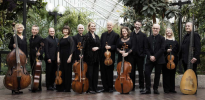
The Academy Of Ancient Music (Andrew Manze, Dir.) - Handel: Concerti Grossi (comp. 1739, rec. 1998)

NS02MTA4LmpwZWc.jpeg


Handel is "ancient"? :shrug:

Oh well, this is a terrific recording by one of the top "historically informed" ensembles.

Note to collectors: If you're planning to acquire the complete AAM discography, better start saving now. They have released over 300 albums to date. :oops:

1668463170865.png
 
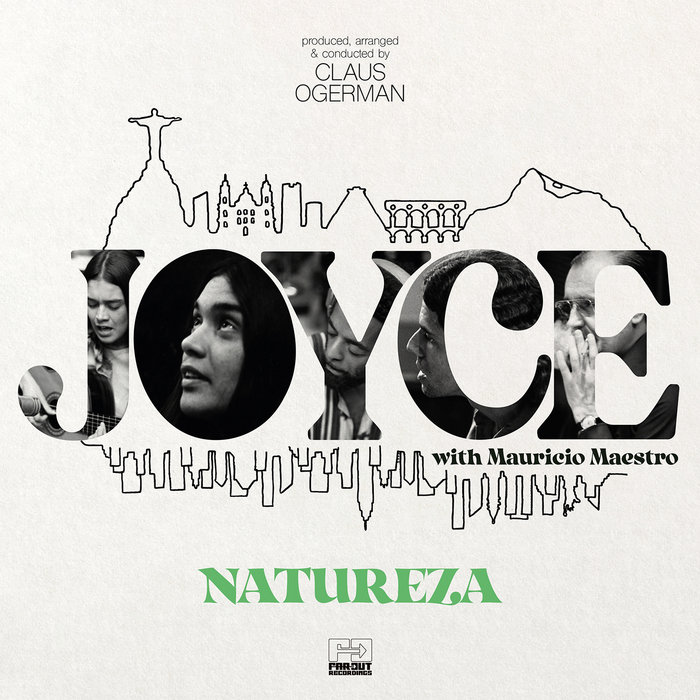
Joyce with Mauricio Maestro ~ Natureza (Recorded 1977; Released 9/30/2022)


Featuring fellow Brazilian musicians Mauricio Maestro (who wrote/co-wrote four of the songs), Nana Vasconcelos and Tutty Moreno, and some of the most in-demand stateside players including Michael Brecker, Joe Farrell and Buster Williams, the recordings for Natureza took place at Columbia Studios and Ogerman produced the album, provided the arrangements and conducted the orchestra.

But mysteriously, Natureza was never released, and what should have been Joyce’s big moment never happened. As Joyce remembers, “I returned home, but Claus and I remained in contact, by letters and phone calls. He was very enthusiastic about the album and tried to hook me up with Michael Franks. He wanted me to go back to NYC in order to re-record the vocals in English with new lyrics, which I actually wasn’t too happy about. But then I got pregnant with my third child and could not leave Brazil. And little by little our contact became rare, until I lost track of him completely. And that was it. I never heard from him again."

While Claus was known to be something of an elusive character, the album’s disappearance might also have been a result of timing. The Brazilian craze was coming to an end, making way for disco and new wave at the end of the seventies, and Ogerman struggled to find a major label interested in a new Brazilian sensation. Additionally, as Joyce mentions, it wasn’t quite finished. Ogerman wanted to add finishing touches to the mix and to record alternative English lyrics for the US and international markets - a critical artistic difference between Joyce and Ogerman.


Status
Not open for further replies.
Back
Top