
Install the app
How to install the app on iOS
Follow along with the video below to see how to install our site as a web app on your home screen.
Note: This feature may not be available in some browsers.
You are using an out of date browser. It may not display this or other websites correctly.
You should upgrade or use an alternative browser.
You should upgrade or use an alternative browser.
A Century of Music
- Thread starter Zeeba Neighba
- Start date

axolotl
Nunquam non paratus
I knew it! Ojai and I are of the last generation of virgin or asexual births.Sex was invented in 1960, so she means something else.

Ojai Sam
Staff member
My mom after the divorce used to describe it as a case of “immaculate deception.”I knew it! Ojai and I are of the last generation of virgin or asexual births.


Zeeba Neighba
Staff member
Louis Armstrong - The Complete Hot Five and Hot Seven Recordings (recorded 1925-30)
![The Complete Hot Five and Hot Seven Recordings [Columbia/Legacy]](/proxy.php?image=https%3A%2F%2Fcdn-s3.allmusic.com%2Frelease-covers%2F500%2F0000%2F724%2F0000724732.jpg&hash=50c0f2175770f6fe7f2c0f3241db667a "The Complete Hot Five and Hot Seven Recordings [Columbia/Legacy]")
Not much time to post over the past couple of days, but I did spend that time continuing my 1920s listening (as we enter week two). Of course, essential listening is playing my collection of Louis Armstrong's Complete Hot Fives and Hot Sevens. After his time with King Oliver (heard earlier), Louis stepped into the role of leader and put out these 88 tracks, since nicely remaster and assembled on a couple of sets. Armstrong is often remembered these day by many in his older days, mugging for the camera with his handkerchief and singing "Hello Dolly" or "What A Wonderful Song" (two songs I don't particularly like not because of the songs but I feel these somehow undermine Satchmo's legacy). However, he is a towering figure in jazz - though Charlie Parker or John Coltrane might be more common picks, Armstrong may indeed be the most influential artist in jazz history primarily because his contributions have affected the path of jazz even to today. Armstrong was SUCH a powerful soloist (amazingly despite early recording quality, his cornet playing still comes through powerfully on these sides) that jazz changed from improvised group music to a focus on trading off solos. Again tough to see in a 2-3 min single format but Armstrong was also a tremendous improviser. Not to mention, he was a pioneer in scat with his early vocal outings. Jazz would never by the same!
Not much time to post over the past couple of days, but I did spend that time continuing my 1920s listening (as we enter week two). Of course, essential listening is playing my collection of Louis Armstrong's Complete Hot Fives and Hot Sevens. After his time with King Oliver (heard earlier), Louis stepped into the role of leader and put out these 88 tracks, since nicely remaster and assembled on a couple of sets. Armstrong is often remembered these day by many in his older days, mugging for the camera with his handkerchief and singing "Hello Dolly" or "What A Wonderful Song" (two songs I don't particularly like not because of the songs but I feel these somehow undermine Satchmo's legacy). However, he is a towering figure in jazz - though Charlie Parker or John Coltrane might be more common picks, Armstrong may indeed be the most influential artist in jazz history primarily because his contributions have affected the path of jazz even to today. Armstrong was SUCH a powerful soloist (amazingly despite early recording quality, his cornet playing still comes through powerfully on these sides) that jazz changed from improvised group music to a focus on trading off solos. Again tough to see in a 2-3 min single format but Armstrong was also a tremendous improviser. Not to mention, he was a pioneer in scat with his early vocal outings. Jazz would never by the same!
Zeeba Neighba
Staff member
Ted Lewis - Is Everybody Happy Now? (comp 1927-31)

Second in popularity only to Paul Whiteman's band in the 1920s, Ted Lewis band was marketed as jazz (in fact Columbia signed him in response to Victor's success with the Original Dixieland Jazz Band) but really doesn't sound like much like jazz today. Still his music evokes almost the stereotypical 1920s band - one can almost picture Lewis tuxedeo-ed (I like to imagine a paper megaphone) saying "Is Everybody Happy?" (his catchphrase) as he talks through the lyrics of the songs. Shouldn't be too hard on Lewis - like Whiteman, he appreciated jazz and hired folks like Benny Goodman and Jimmy Dorsey at various times as musicians. Definitely music that evokes the "roaring 20s", fun to listen to today but sadly, nearly a century later, almost forgotten
Good set but one quibble - where's "Me and My Shadow" which Lewis used to close his sets. My dad used to love to sing that one.
Second in popularity only to Paul Whiteman's band in the 1920s, Ted Lewis band was marketed as jazz (in fact Columbia signed him in response to Victor's success with the Original Dixieland Jazz Band) but really doesn't sound like much like jazz today. Still his music evokes almost the stereotypical 1920s band - one can almost picture Lewis tuxedeo-ed (I like to imagine a paper megaphone) saying "Is Everybody Happy?" (his catchphrase) as he talks through the lyrics of the songs. Shouldn't be too hard on Lewis - like Whiteman, he appreciated jazz and hired folks like Benny Goodman and Jimmy Dorsey at various times as musicians. Definitely music that evokes the "roaring 20s", fun to listen to today but sadly, nearly a century later, almost forgotten
Good set but one quibble - where's "Me and My Shadow" which Lewis used to close his sets. My dad used to love to sing that one.
Ojai Sam
Staff member
Great to see Ted Lewis! "Me and My Shadow" was co-written by Al Jolson along with Billy Rose, then Fanny Brice's husband. The "shadow" was supposedly mobster Nicky Arnstein, Fanny's previous spouse.
In addition to Lewis (and much later, Sammy Davis, Jr.) the song was popularized by "Whispering" Jack Smith.
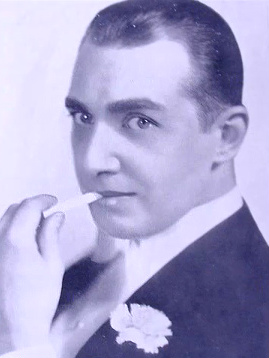
Geezer Music Club explores the myth and the man:
Most legends have at least a partial basis in fact, and that would appear to be the case with Whispering Jack Smith, a crooner who flourished in the 1920s and 1930s. But even though his soft baritone singing voice was a little unusual, it’s not clear whether it was really caused — so the story went — by his exposure to gas in World War I trenches. Still, when coupled with his warm, intimate singing style, it certainly helped build his fame during an era that saw most of his contemporaries belting it out as if on a vaudeville stage.
A native New Yorker, Jacob J. Schmidt was born and raised in the Bronx. After his war-time service he began working in New York for Irving Berlin’s Music Company, singing and playing piano in various locales to help promote songs. By the early 1920s he had worked his way into some musical spots on radio, and a couple of years later he got the opportunity to make some records too.
One factor in his new success was that the equipment used — especially the microphone — was in the midst of a period of innovation, one that allowed Smith’s gentle voice to compete with others. It wasn’t long before he was making quite a name for himself and winning a lot of fans. Often billed as ‘Jack Smith – The Whispering Baritone’ on his records, he also began appearing on stage for appreciative audiences in both New York and London. His smooth and warm persona made him a crowd favorite, and he soon became an international star.
I'm not sure the ciggie fits the myth.
In addition to Lewis (and much later, Sammy Davis, Jr.) the song was popularized by "Whispering" Jack Smith.
Geezer Music Club explores the myth and the man:
Most legends have at least a partial basis in fact, and that would appear to be the case with Whispering Jack Smith, a crooner who flourished in the 1920s and 1930s. But even though his soft baritone singing voice was a little unusual, it’s not clear whether it was really caused — so the story went — by his exposure to gas in World War I trenches. Still, when coupled with his warm, intimate singing style, it certainly helped build his fame during an era that saw most of his contemporaries belting it out as if on a vaudeville stage.
A native New Yorker, Jacob J. Schmidt was born and raised in the Bronx. After his war-time service he began working in New York for Irving Berlin’s Music Company, singing and playing piano in various locales to help promote songs. By the early 1920s he had worked his way into some musical spots on radio, and a couple of years later he got the opportunity to make some records too.
One factor in his new success was that the equipment used — especially the microphone — was in the midst of a period of innovation, one that allowed Smith’s gentle voice to compete with others. It wasn’t long before he was making quite a name for himself and winning a lot of fans. Often billed as ‘Jack Smith – The Whispering Baritone’ on his records, he also began appearing on stage for appreciative audiences in both New York and London. His smooth and warm persona made him a crowd favorite, and he soon became an international star.
I'm not sure the ciggie fits the myth.
Zeeba Neighba
Staff member
One factor in his new success was that the equipment used — especially the microphone — was in the midst of a period of innovation, one that allowed Smith’s gentle voice to compete with others.
Of course it's not a profound observation, but I find it fascinating the dramatic change the improvements/development of the mike had on music in general. As I mentioned above, the beginning of the decade was filled with big-voiced stage belters like Jolson. Over the course of the decade, folks like Smith, Rudy Valee, and Bing Crosby became all the rage. Which of course opened the door for more personal singers like Sinatra later on.
Zeeba Neighba
Staff member
The Rough Guide to Blind Lemon Jefferson

Again trying to keep a wide scope of music of the era, so definitely wanted some blues artists represented. Blind Lemon Jefferson was one of the most popular blues artists of the 1920s. Called the "Father of the Texas Blues", along with Texas Alexander, he helped develop the Texas Blues sound. Interestingly, as allmusic points out, prior to Jefferson, blues singles were being put out mainly by women like Bessie Smith.
Regarding BLJ's legacy, couldn't put it better than allmusic's bio:
Again trying to keep a wide scope of music of the era, so definitely wanted some blues artists represented. Blind Lemon Jefferson was one of the most popular blues artists of the 1920s. Called the "Father of the Texas Blues", along with Texas Alexander, he helped develop the Texas Blues sound. Interestingly, as allmusic points out, prior to Jefferson, blues singles were being put out mainly by women like Bessie Smith.
Regarding BLJ's legacy, couldn't put it better than allmusic's bio:
Blind Lemon Jefferson was to Texas blues what Charley Patton was to Mississippi blues. His performances had a direct influence upon such legendary Texas musicians as Lightnin' Hopkins, T-Bone Walker, and Leadbelly, while his recordings helped bring his influence to an even larger audience. In the decades since, Jefferson's songs have been covered by countless musicians including Bob Dylan, John Hammond, Jr., and Kelly Joe Phelps, to name just a few. The late '50s and early '60s brought the reissue of some of Jefferson's recordings on the Riverside and Milestone labels, sparking a renewal of widespread public interest in the bluesman. As a result, Blind Lemon Jefferson Clubs were opened in California and New York during the '60s, and the rock band Jefferson Airplane reputedly chose their name after the great bluesman.
Zeeba Neighba
Staff member
Fletcher Henderson - Ken Burns Jazz
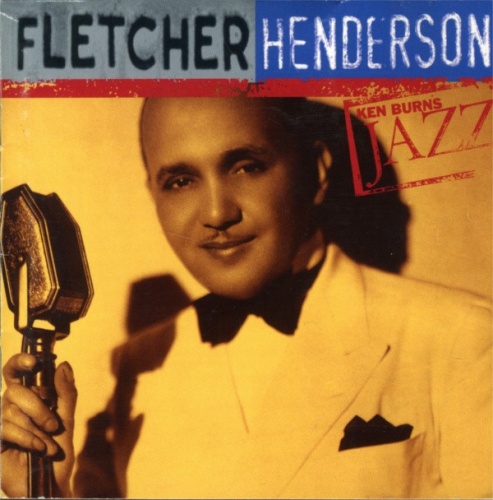
There may be some controversy about Ken Burns' documentary Jazz (for example int the skimpy and biased coverage of newer jazz) but the subsequent CD releases highlighting a number of jazz artists are, for the most part, excellent. Henderson's comp (which does extend from 1924 through the 1930s) provides a wonderful overview of his career (most of the other sets are the complete but very focused Classics Chronological series). Henderson along with Duke Ellington was one of the most important big band leaders of the late 20s-30s. His legacy has not been as big as Duke's (still tough to compare with arguably the greatest American composer) and his career was not as long. Still he was a tremendous arranger, and so much talent came out of his band including Coleman Hawkins, Roy Eldridge, Benny Carter, Chu Berry (even Satchmo had a stint in Fletcher's band). Great big band music that ushered jazz into the 30s where big bands and swing would be huge.
There may be some controversy about Ken Burns' documentary Jazz (for example int the skimpy and biased coverage of newer jazz) but the subsequent CD releases highlighting a number of jazz artists are, for the most part, excellent. Henderson's comp (which does extend from 1924 through the 1930s) provides a wonderful overview of his career (most of the other sets are the complete but very focused Classics Chronological series). Henderson along with Duke Ellington was one of the most important big band leaders of the late 20s-30s. His legacy has not been as big as Duke's (still tough to compare with arguably the greatest American composer) and his career was not as long. Still he was a tremendous arranger, and so much talent came out of his band including Coleman Hawkins, Roy Eldridge, Benny Carter, Chu Berry (even Satchmo had a stint in Fletcher's band). Great big band music that ushered jazz into the 30s where big bands and swing would be huge.
Zeeba Neighba
Staff member
Bix Beiderbecke - Volume 1: Singin' The Blues (1927)
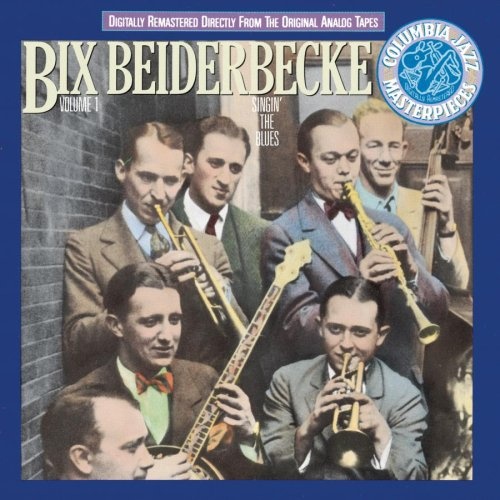
Though jazz hot spots included New Orleans and Chicago in the 1920s along with NYC and Kansas City, popularity quickly stretched out even to the Midwest where a young Davenport OH boy became obsessed with the music. Betweent 1924 and 1926, the cornetist would play in Detroit, St. Louis and throughout the Midwest before eventually joining Paul Whiteman's band in 1927. Although Bix did some great stuff with Whiteman, between Whiteman's controlled arrangements and Bix's increasing alcoholism, unfortunately his talents seemed wasted. He would die at age 28 in 1931
Despite this, his legacy is impressive. His cornet playing is so crisp and bright with some wonderful solos that he would influence a number of trumpeters especially in the cool jazz/West Coast jazz genre. Though he has been anthologized multiple times over the years, I still turn to the two Columbia Jazz Masterpieces collections I own - wonderfully crisp and Bix's solos just jump out. These compile his 1927 numbers with the Frankie Trumbauer Orchestra then (in volume 2) with various small groups in 1927-28 while he was working with Whiteman. I just love Bix's sound - aside from Louis Armstrong, Bix is the best trumpeter/cornetist of the era with no higher praise as these quotes from Satchmo
Though jazz hot spots included New Orleans and Chicago in the 1920s along with NYC and Kansas City, popularity quickly stretched out even to the Midwest where a young Davenport OH boy became obsessed with the music. Betweent 1924 and 1926, the cornetist would play in Detroit, St. Louis and throughout the Midwest before eventually joining Paul Whiteman's band in 1927. Although Bix did some great stuff with Whiteman, between Whiteman's controlled arrangements and Bix's increasing alcoholism, unfortunately his talents seemed wasted. He would die at age 28 in 1931
Despite this, his legacy is impressive. His cornet playing is so crisp and bright with some wonderful solos that he would influence a number of trumpeters especially in the cool jazz/West Coast jazz genre. Though he has been anthologized multiple times over the years, I still turn to the two Columbia Jazz Masterpieces collections I own - wonderfully crisp and Bix's solos just jump out. These compile his 1927 numbers with the Frankie Trumbauer Orchestra then (in volume 2) with various small groups in 1927-28 while he was working with Whiteman. I just love Bix's sound - aside from Louis Armstrong, Bix is the best trumpeter/cornetist of the era with no higher praise as these quotes from Satchmo
and from Armstrong's Life in New Orleans, "Lots of cats tried to play like Bix; ain't none of them play like him yet."
“Every musician in the world knew and admired Bix. We all respected him as if he had been a god.”
Zeeba Neighba
Staff member
The Original Recordings of Ruth Etting
A simple 12 track comp of "America's Sweetheart of Song" who had (per Wiki) 60 hit recordings in the 1920s and early 30s (this comp covers 1926-31 hits) - although a bit skimpy, it hits her big numbers most famously "Ten Cents a Dance" and "Love Me or Leave Me". Etting's life and her relationship with Chicago gangster Moe Snyder was given the 50s fictional biography treatment in Ten Cents a Dance with Doris Day as Etting and the always wonderful James Cagney as Snyder. One of my dad's favorite flicks (he also like The Jolson Story and Cagney as Lon Chaney in Man of a Thousand Faces none of which have strong accuracy compared to their sources) and so was exposed to the idea of Ruth Etting years before hearing her singles.
Of course Etting's story really didn't need much touching up - her relationship with Snyder (who managed her during her success) went south especially after his strongarm management style made it difficult for her to get gigs. After she divorced him, she started a relationship with her piano player who Snyder would shoot in front of Etting leading to a scandalous trial. Happily her pianist did survive and Etting and he married and stayed married until his death (by natural causes) in the 1960s
A simple 12 track comp of "America's Sweetheart of Song" who had (per Wiki) 60 hit recordings in the 1920s and early 30s (this comp covers 1926-31 hits) - although a bit skimpy, it hits her big numbers most famously "Ten Cents a Dance" and "Love Me or Leave Me". Etting's life and her relationship with Chicago gangster Moe Snyder was given the 50s fictional biography treatment in Ten Cents a Dance with Doris Day as Etting and the always wonderful James Cagney as Snyder. One of my dad's favorite flicks (he also like The Jolson Story and Cagney as Lon Chaney in Man of a Thousand Faces none of which have strong accuracy compared to their sources) and so was exposed to the idea of Ruth Etting years before hearing her singles.
Of course Etting's story really didn't need much touching up - her relationship with Snyder (who managed her during her success) went south especially after his strongarm management style made it difficult for her to get gigs. After she divorced him, she started a relationship with her piano player who Snyder would shoot in front of Etting leading to a scandalous trial. Happily her pianist did survive and Etting and he married and stayed married until his death (by natural causes) in the 1960s
Zeeba Neighba
Staff member
The Essential Jimmie Rodgers
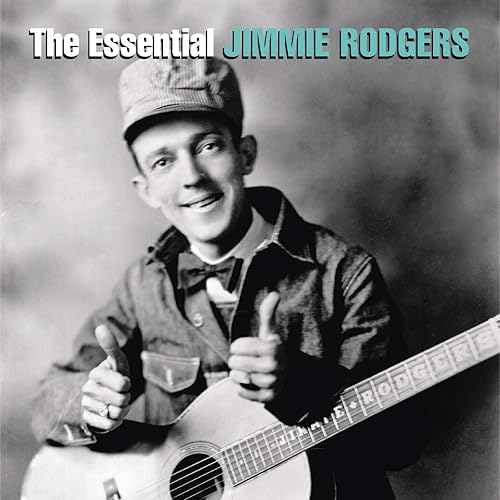
Rodgers, whose recording career extended from 1927 until his death in 1933, was one of the first names in the development of country music. In fact when the Country Music Hall of Fame was established in 1961, Rodgers was one of the initial three inductees (Hank Williams was the only other performer initially inducted). Listening today to his famous slow yodeling drawl, I am fascinated how popular and influential this was - but indeed it was.
From Wiki:
Even later rock artists were interested in Rodgers style - Lyrnyrd Skynyrd covered "Blue Yodel #1 (T is For Texas)" on their live album. Bob Dylan compiled a tribute album with contributors that included Bono (?!), John Mellencamp, Aaron Nevile, Alison Krauss, Jerry Garcia, and Willie Nelson. One can hear Rodgers' influence on honky tonk and rockabilly (Elvis, Jerry Lee Lewis, and Johnny Cash all mentioned an appreciation).
Rodgers, whose recording career extended from 1927 until his death in 1933, was one of the first names in the development of country music. In fact when the Country Music Hall of Fame was established in 1961, Rodgers was one of the initial three inductees (Hank Williams was the only other performer initially inducted). Listening today to his famous slow yodeling drawl, I am fascinated how popular and influential this was - but indeed it was.
From Wiki:
Both Gene Autry and future Louisiana governor Jimmie Davis (said to have been author of "You Are My Sunshine") began their careers as Jimmie Rodgers copyists, and Merle Haggard, Hank Snow, and Lefty Frizzell later did tribute albums.
Even later rock artists were interested in Rodgers style - Lyrnyrd Skynyrd covered "Blue Yodel #1 (T is For Texas)" on their live album. Bob Dylan compiled a tribute album with contributors that included Bono (?!), John Mellencamp, Aaron Nevile, Alison Krauss, Jerry Garcia, and Willie Nelson. One can hear Rodgers' influence on honky tonk and rockabilly (Elvis, Jerry Lee Lewis, and Johnny Cash all mentioned an appreciation).
Ojai Sam
Staff member
The Essential Jimmie Rodgers
Rodgers, whose recording career extended from 1927 until his death in 1933, was one of the first names in the development of country music. In fact when the Country Music Hall of Fame was established in 1961, Rodgers was one of the initial three inductees (Hank Williams was the only other performer initially inducted). Listening today to his famous slow yodeling drawl, I am fascinated how popular and influential this was - but indeed it was.
From Wiki:
Even later rock artists were interested in Rodgers style - Lyrnyrd Skynyrd covered "Blue Yodel #1 (T is For Texas)" on their live album. Bob Dylan compiled a tribute album with contributors that included Bono (?!), John Mellencamp, Aaron Nevile, Alison Krauss, Jerry Garcia, and Willie Nelson. One can hear Rodgers' influence on honky tonk and rockabilly (Elvis, Jerry Lee Lewis, and Johnny Cash all mentioned an appreciation).
The image of Jimmie Rodgers, “The Singing Brakeman”, had a vitality that survived long after his death from tuberculosis at age 35. Wiki points out that one of every ten records sold by RCA Victor during The Depression was by Rodgers.
The brutal honesty of his autobiographical songs about work, rambling and drinking set the tone that country music follows (more or less) to this day. He even turned his own last illness into a bitterly ironic epitaph:
My good gal's trying
To make a fool out of me
Lord, my gal's trying
To make a fool out of me
Trying to make me believe
I ain't got that old T.B.
I've got the T.B. blues.
When it rained down sorrow
It rained all over me
When it rained down sorrow
It rained all over me
'Cause my body rattles
Like a train on that old S.P.
I've got the T.B. blues.
Zeeba Neighba
Staff member
The Incomparable Ethel Waters
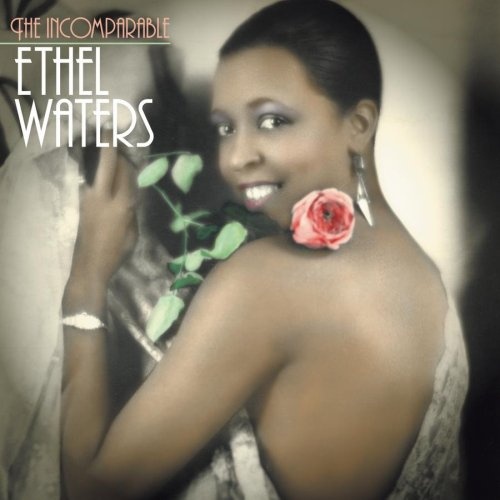
I realize the 1920s were a long time ago, but it's a shame better compilations aren't more readily available on streaming for such a wonderful voice as Waters. This one isn't bad - a nice overview with more of her 30s standards than her 20s early jazz vocal numbers. Still wanted to make sure I included Ms. W given her prominence in nightclub and theater performances at this era. Though her hits were in the 1920s and 30s, she kept active into the 1960s thanks to television and variety shows. In fact, Waters was the second African American to be nominated for an Oscar (after 1939 Hattie McDaniel) for her role in 1949's Pinky
I realize the 1920s were a long time ago, but it's a shame better compilations aren't more readily available on streaming for such a wonderful voice as Waters. This one isn't bad - a nice overview with more of her 30s standards than her 20s early jazz vocal numbers. Still wanted to make sure I included Ms. W given her prominence in nightclub and theater performances at this era. Though her hits were in the 1920s and 30s, she kept active into the 1960s thanks to television and variety shows. In fact, Waters was the second African American to be nominated for an Oscar (after 1939 Hattie McDaniel) for her role in 1949's Pinky
Zeeba Neighba
Staff member
Rudy Vallee - The Voice That Had Them Fainting (1928-37)

Have tried to be somewhat chronological as we progress through the 1920s, but (as with Ethel Waters), as we get to the later 1920s, many compilations will bridge into the next decade
Break out the fur coat and megaphone - it's Rudy Vallee! Vallee was one of the first pop stars where listeners went wild over him (as this compilation brags). Indeed, he was akin to Sinatra, Elvis, or the Beatles in this era. Why? Who the heck knows - his voice is thin and his range is narrow. Not to lump on but he's kind of goofy looking too. The numbers in the set are charming but hardly wow - still the flappers saw something else
I really can't think of Vallee with laughing for two reasons - one is the line by Joe E. Brown as Osgood Fielding in Some Like It Hot with his plan to woo Daphne (Jack Lemmon) with his Rudy Vallee records. The other is Vallee's own performance in Preston Sturges The Palm Beach Story where his awkward, shy millionaire tries to romance Claudette Colbert. Vallee indeed shows off his comic chops.
Have tried to be somewhat chronological as we progress through the 1920s, but (as with Ethel Waters), as we get to the later 1920s, many compilations will bridge into the next decade
Break out the fur coat and megaphone - it's Rudy Vallee! Vallee was one of the first pop stars where listeners went wild over him (as this compilation brags). Indeed, he was akin to Sinatra, Elvis, or the Beatles in this era. Why? Who the heck knows - his voice is thin and his range is narrow. Not to lump on but he's kind of goofy looking too. The numbers in the set are charming but hardly wow - still the flappers saw something else
I really can't think of Vallee with laughing for two reasons - one is the line by Joe E. Brown as Osgood Fielding in Some Like It Hot with his plan to woo Daphne (Jack Lemmon) with his Rudy Vallee records. The other is Vallee's own performance in Preston Sturges The Palm Beach Story where his awkward, shy millionaire tries to romance Claudette Colbert. Vallee indeed shows off his comic chops.
Ojai Sam
Staff member
seeing-stars.com tells us:Rudy Vallee - The Voice That Had Them Fainting (1928-37)
Have tried to be somewhat chronological as we progress through the 1920s, but (as with Ethel Waters), as we get to the later 1920s, many compilations will bridge into the next decade
Break out the fur coat and megaphone - it's Rudy Vallee! Vallee was one of the first pop stars where listeners went wild over him (as this compilation brags). Indeed, he was akin to Sinatra, Elvis, or the Beatles in this era. Why? Who the heck knows - his voice is thin and his range is narrow. Not to lump on but he's kind of goofy looking too. The numbers in the set are charming but hardly wow - still the flappers saw something else
I really can't think of Vallee with laughing for two reasons - one is the line by Joe E. Brown as Osgood Fielding in Some Like It Hot with his plan to woo Daphne (Jack Lemmon) with his Rudy Vallee records. The other is Vallee's own performance in Preston Sturges The Palm Beach Story where his awkward, shy millionaire tries to romance Claudette Colbert. Vallee indeed shows off his comic chops.
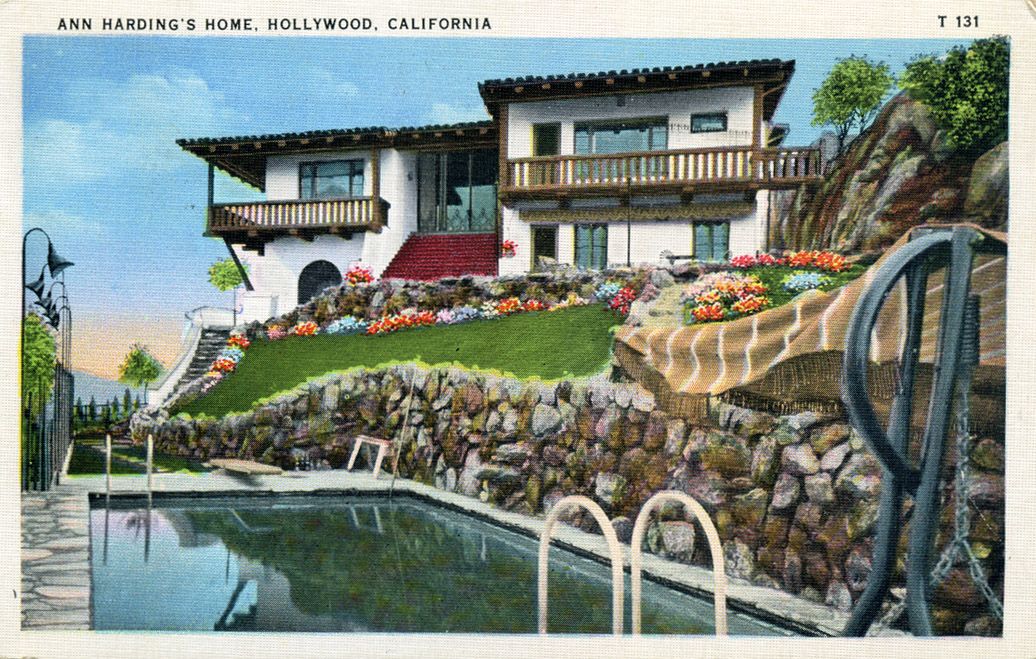
Singer Rudy Vallee worked wanted to see his street in the Hollywood Hills renamed "RUE DE VALLEE" in his honor. However, his neighbors didn't buy the idea. But you'll still find a street sign reading "Rue de Vallee" outside his old home, at 7430 Pyramid Place.
Zeeba Neighba
Staff member
The Carter Family - RCA Country Legends
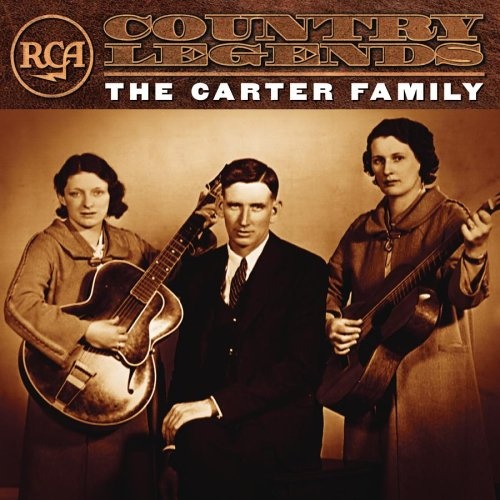
Like Jimmie Rodgers, The Carter Family had a tremendous influence of the development of country music (also folk and bluegrass). In a career that spanning from 1927 to 1944, Virginian A.P. Carter, his wife Sara and his sister-in-law Maybelle, achieved great popularity (by 1930, they had sold 300,000 records) popularizing early country, gospel and blues songs. After A.P. and Sara's marriage went south, the group disbanded but then would reform/reconfigure with various children/family members (most known today is June Carter Cash who would marry Johnny Cash). Maybelle's guitar playing (with her famous "Carter Scratch" technique) would influence a ton of guitarist especially in bluegrass as Bill Monroe would adapt it in his music years later.
Like Jimmie Rodgers, The Carter Family had a tremendous influence of the development of country music (also folk and bluegrass). In a career that spanning from 1927 to 1944, Virginian A.P. Carter, his wife Sara and his sister-in-law Maybelle, achieved great popularity (by 1930, they had sold 300,000 records) popularizing early country, gospel and blues songs. After A.P. and Sara's marriage went south, the group disbanded but then would reform/reconfigure with various children/family members (most known today is June Carter Cash who would marry Johnny Cash). Maybelle's guitar playing (with her famous "Carter Scratch" technique) would influence a ton of guitarist especially in bluegrass as Bill Monroe would adapt it in his music years later.
Ojai Sam
Staff member
There was something about the liberated environment of the 20’s that encouraged a flood of novelty songs. Many of these tunes joined sly double entendre lyrics to the hot jazz of the time.
Here’s a fun collection that covers the whole decade, from Billy Murray (“Oh! By Jingo!”) to The Happiness Boys (“My Cutie’s Due At Two To Two Today”). We even get silent movie idol Charlie Farrell’s version of “No Wonder She’s A Blushing Bride”.

Trivia note: three decades later, Charlie would find a second career on TV as the long-suffering father of “My Little Margie”.
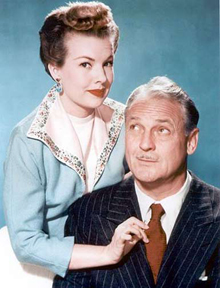
Here’s a fun collection that covers the whole decade, from Billy Murray (“Oh! By Jingo!”) to The Happiness Boys (“My Cutie’s Due At Two To Two Today”). We even get silent movie idol Charlie Farrell’s version of “No Wonder She’s A Blushing Bride”.
Trivia note: three decades later, Charlie would find a second career on TV as the long-suffering father of “My Little Margie”.
Zeeba Neighba
Staff member
Big Bill Broonzy - The Young Big Bill Broonzy (1928-1935)

Like the Carter Family, Big Bill Broonzy's career stretched through decades (into the 1950s) so I've tried with both to concentrate on their work in the 1920s-early 30s. Broonzy was an influential blues artist who stretched out to various genres - folk, country blues, spirituals, even humorous numbers and sexually-sly hokum. In the 1940s he would "go electric". He would not only influence bluesmen like Buddy Guy and Muddy Waters but future rockers like Clapton, Jerry Garcia, and Jeff Beck.
Like the Carter Family, Big Bill Broonzy's career stretched through decades (into the 1950s) so I've tried with both to concentrate on their work in the 1920s-early 30s. Broonzy was an influential blues artist who stretched out to various genres - folk, country blues, spirituals, even humorous numbers and sexually-sly hokum. In the 1940s he would "go electric". He would not only influence bluesmen like Buddy Guy and Muddy Waters but future rockers like Clapton, Jerry Garcia, and Jeff Beck.
Zeeba Neighba
Staff member
Jelly Roll Morton - The Original Mr. Jelly Lord (1923-1941)

Over the weekend finished up my 1920s listening with the great 40-track set. Couldn't forget New Orlean's own Jelly Roll Morton. No, he didn't invent jazz as he claimed but he certainly can claim a big role in its early days both as a songwriter (released the first published jazz composition with "Jelly Roll Blues", arranger (perhaps the first person to notate jazz music), and pianist/band leader. So many songs would be covered for years to come ("King Porter Stomp" alone has been covered a ton of times). Important to include him here, but also fun listening.
Over the weekend finished up my 1920s listening with the great 40-track set. Couldn't forget New Orlean's own Jelly Roll Morton. No, he didn't invent jazz as he claimed but he certainly can claim a big role in its early days both as a songwriter (released the first published jazz composition with "Jelly Roll Blues", arranger (perhaps the first person to notate jazz music), and pianist/band leader. So many songs would be covered for years to come ("King Porter Stomp" alone has been covered a ton of times). Important to include him here, but also fun listening.
Similar threads


- Replies
- 3
- Views
- 86