What are you listening to? June 2022

Status
Not open for further replies.
Kendrick Lamar - Mr. Morale and the Big Steppers (2022)

Kendrick Lamar - Mr. Morale & The Big Steppers - album cover
 
Bavarian Radio Symphony Orchestra (Eugen Jochum, cond.) - Beethoven: Symphony No. 9 (1952)

MjgtNTUyOS5qcGVn.jpeg


Eugen Jochum first conducted in 1926 for the Munich Philharmonic in his native Bavaria. He continued working throughout WWII but managed to avoid joining the Nazi Party. So he was back at the podium by 1948. A year later, he was tapped as founding music director of the Bavarian Radio Symphony heard on this early DG recording. This monumental performance is one of the most powerful I've ever heard, full of enthusiasm, captured in exquisite mono fidelity. It demonstrates how successful Jochum had been in creating a world-class orchestra from the ashes of the Second World War.

1654109894309.png
 
Denise Duval, Orchestre Du Théâtre National De L'Opéra Comique (Georges Prêtre, cond.) - Poulenc: La Voix Humaine (1959)

Mi0zMDQ2LmpwZWc.jpeg


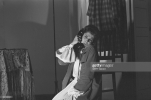
I'm in a Francis Poulenc mood today, so I decided to dust off this unusual opera. Jean Cocteau, the multifaceted genius, created this work in 1930 as an experimental one hour spoken word monodrama, apparently to shut up an actress who had complained about her lack of lines. Met by mixed reviews from puzzled critics, almost 30 years later Cocteau decided to turn this excruciatingly intense play into a more user friendly opera. Francis Poulenc, another restless adventurer, was a natural choice to add the music. Soprano Denise Duval, the long time muse and collaborator of Poulenc, brought a wealth of stage experience dating back to her days in the clothed revue at the Folies-Bergere.

Wiki fills in the details:


La voix humaine (English: The Human Voice) is a forty-minute, one-act opera for soprano and orchestra composed by Francis Poulenc in 1958. The work is based on the play of the same name by Jean Cocteau, who, along with French soprano Denise Duval, worked closely with Poulenc in preparation for the opera's premiere. Poulenc's tragédie lyrique was first performed at the Théâtre National de l'Opéra-Comique in Paris on 6 February 1959, with Duval as the solo singer and Georges Prêtre conducting; the scenery, costumes and direction were by Cocteau.

The libretto consists of a woman's last phone conversation with her lover, who now loves someone else. During the call, the woman reveals that she has attempted suicide because her lover has abandoned her.


On record, the opera consists of 11 one-sided phone conversations, each signaled by a xylophone trill that echoes a telephone bell. Duval masterfully works her way step-by-step through a harrowing emotional catharsis. Poulenc's music provides a supportive, cinematic landscape that enhances without distracting from Duval's tour de force.

1654205066451.png

1654204949088.png
Duval and Poulenc.
 
Moura Lympany - Rachmaninov: The 24 Preludes (1951)

Ni05MjE0LmpwZWc.jpeg


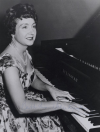
Dame Moura Lympany (nee Mary Gertrude Johnstone) is a sadly forgotten English concert pianist. Her style is unabashedly romantic, perfectly suited to these pieces which are both technically and emotionally complex.

1654364871585.png
 
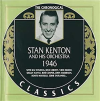
Stan Kenton - 1946 (Classics 1997)

1654368105678.png

Lots to like here, including "Intermission Riff", three of Kenton's "Artistry" variants and a half dozen June Christy vocals. These sessions began with two ballads from crooner Gene Howard which were both rejected by Capitol. Why? Well, it could be that Stan just wanted to move completely away from smooth pop to edgy jazz. Or, maybe the fact that Howard was thought to be gay caused him to wind up on the cutting room floor. A few years later, he would release the first album of love songs by a man about other men.

1654368845087.png

1654368964180.png
 
Status
Not open for further replies.
Back
Top