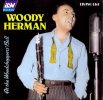
Woody Herman - At The Woodchopper's Ball (rec. 1936-42, ASV Living Era comp. 1994)
The great virtue of the compilations released by ASV Living Era is that the label avoided merely rehashing the predictable hits of familiar artists like Woody Herman. Yes, we get "Blues In The Night" and the title cut, but producer Geoff Milne also included Woody's overlooked work in support of Bing Crosby and Connie Boswell. He reached even deeper into Woody's repertoire for obscure covers of "A String Of Pearls" and "Boogie Woogie Bugle Boy". As a result, this collection offers a new slant on Herman's work during his peak years.
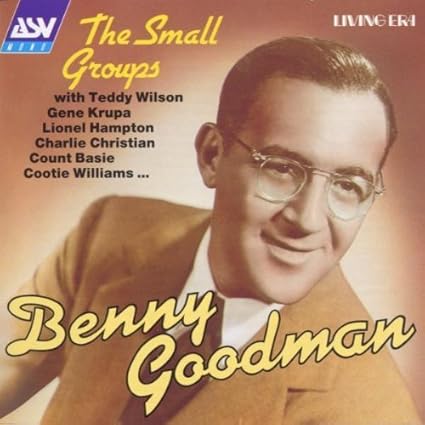
Benny Goodman - The Small Groups (rec. 1935-42, ASV Living Era comp. 1994)
This stellar collection was released at the same time as the one for Woody Herman posted above. ASV took full advantage of the more liberal European copyright laws which placed recordings in the public domain after 50 years. For this album, they utilized material from a dozen or so BG sessions. Since they didn't need no stinkin' licenses, they could include items from both Victor and Columbia, giving us a comprehensive overview of exactly how Benny evolved the small group format over a span of seven crucial years. The songs themselves need no introduction, as Zeeb has featured them in his Jazz Excursion.
It must be difficult to be one of several songwriters in a group. At least everyone knew that Brian Wilson was the resident genius in The Beach Boys. But Chicago was always presented as a whole greater than the sum of its parts, with several members contributing material. By the time Skinny Boy was released, the group was riding a string of six successful albums and Bobby later complained that he seemed to get lost in the shuffle.
So, Skinny Boy was released as a solo effort in 1974 and promptly vanished without a trace. Lamm produced it himself with a string drenched sound about as far as you can get from the horns of Chicago. He plays a lot of Herbie Hancock style Fender Rhodes while Guitarist Terry Kath, the only group member to appear, makes the switch to bass and acoustic with surprisingly effective results. Even The Pointer Sisters drop by. The songs themselves are pretty good, delivered with uncharacteristic intensity by Bobby, but nothing memorable really comes to mind. His decision not to give up his day job with Chicago was a wise one.
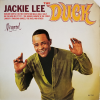
Jackie Lee was the nom du canard of Earl Nelson, of Bob & Earl ("Harlem Shuffle") fame. He was also a member of The Hollywood Flames. This album servers up a heaping helping of prime mid-60's soul with a great dance beat.
Very tuneful. I don't know why I find this similar to the Placemats or Big Star, but I do. Ward Dotson's voice is as reedy as they come, but it all works quite well, somehow.




 on the Sam-O-Meter.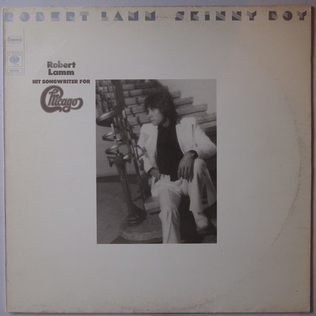
 on the Sam-O-Meter.